

Banking Local: Why Community Banks Make the Best Neighbors
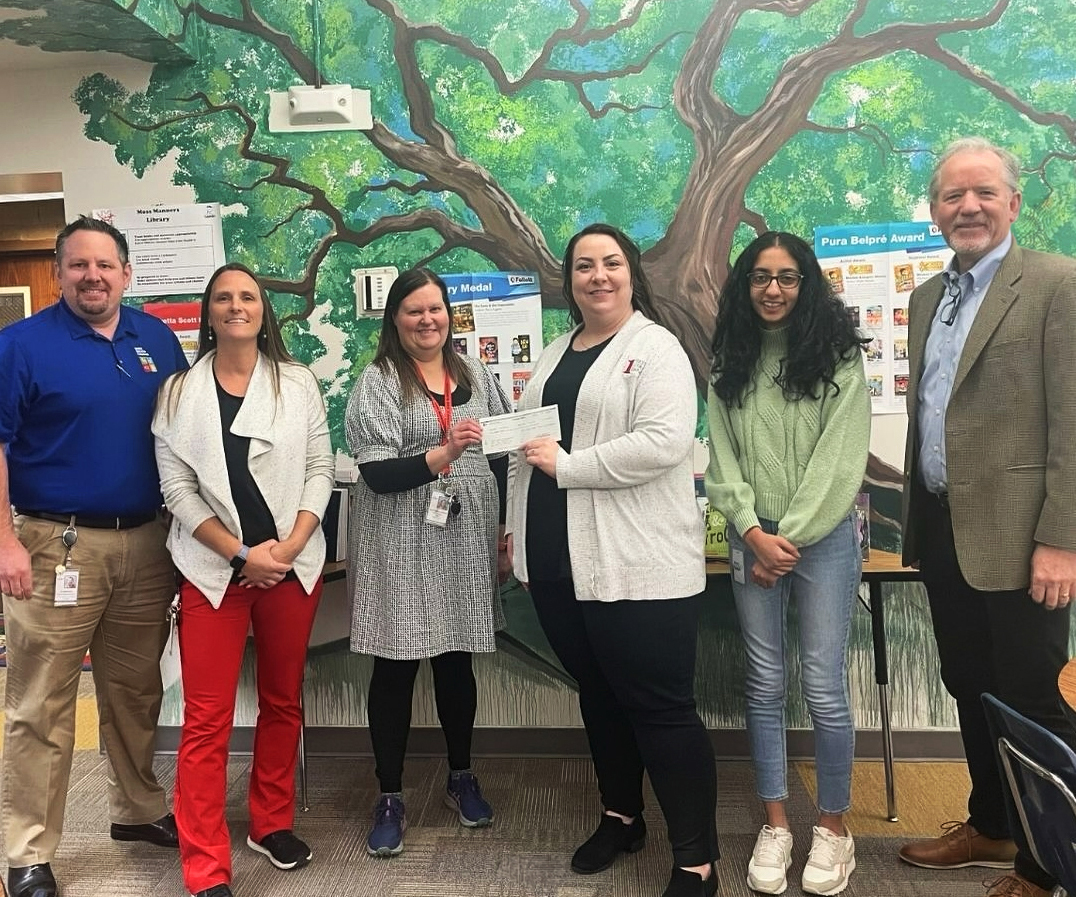
Our team partnered with Granite Education Foundation to clear all library fines at James E. Moss Elementary School, allowing students to continue accessing books and resources without the worry of overdue fees.
Where you bank is a choice most people make once and never revisit. You open an account, set up direct deposit, and then your bank becomes invisible, fading into a necessary part of the background infrastructure of your daily life. That is, until the day comes along when you need to finance a project, set up a business, or address an urgent problem.
Banking locally is a lot like shopping locally. Bank deposits get recycled back into the local economy as loans—to the contractor who needs equipment, the family buying their first home, the restaurant owner opening a second location. The money stays in the community it came from, and helps build a thriving local economy. That’s structurally different from how a national bank operates, and it matters more than most people realize.
Amy Foulks, President of First Utah Bank, says, “As a local bank, we recognize that it is our obligation to take care of local folks, because we also know that our success depends on the success of others in our community. If we don’t have a successful and thriving economy, we don’t have a successful and thriving bank.”
A community bank’s health is directly tied to the region in which it serves. That alignment doesn’t exist in the same way at a national institution that’s accountable to shareholders who are scattered across the country.
What a Real Banking Relationship Looks Like
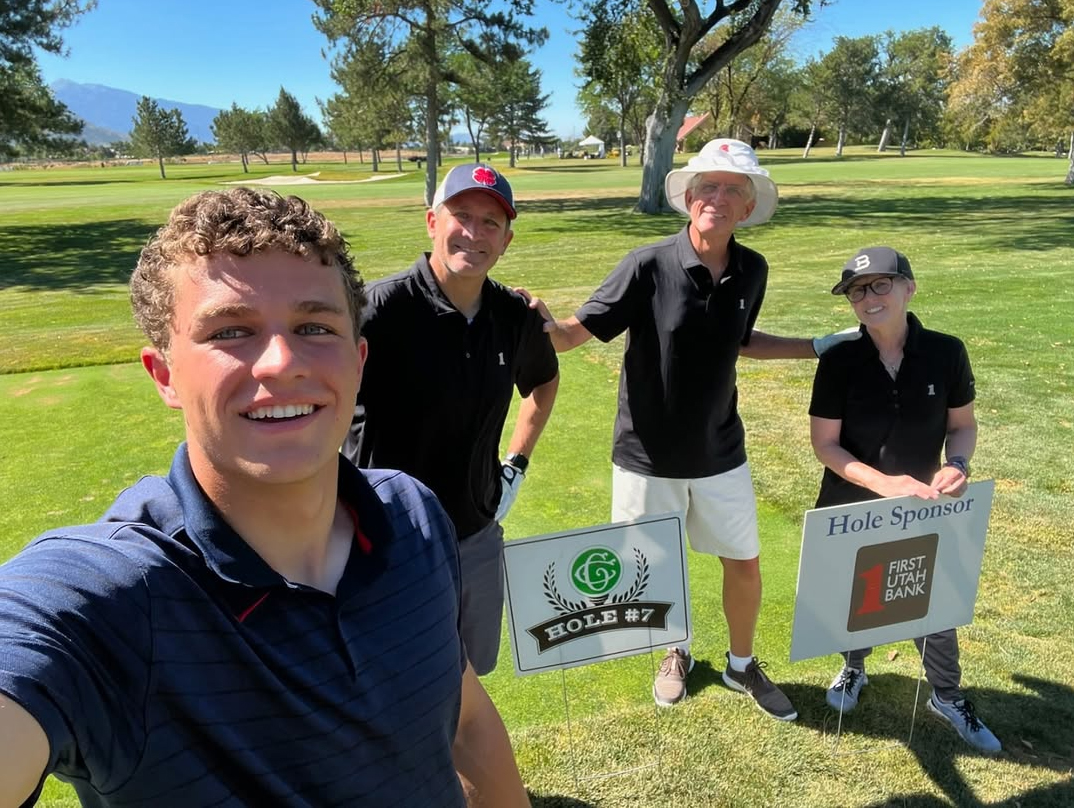
Bank Employees gather on the green at The Capita Financial First Tee Classic at the Salt Lake Country Club with First Tee Utah, an organization that uses the game of golf to empower young people.
It’s not just about where your money goes, but also how your bank interacts with you. Justin Delgado, Chief Lending Officer at First Utah Bank, gives an example. “Ninety-nine days out of 100 you don’t need your bank if it’s operating correctly. But it’s always that one day when something happens that you need them—and that’s when value kicks in.”
At a national bank, that day typically involves navigating a system designed for volume. You may end up working with a bank representative you’ve never spoken to before, doesn’t know your history, and has limited authority to make decisions. You might have to start over or repeat yourself when that person is inexplicably no longer available.
Most small businesses don’t fit neatly into the boxes that large banks are built around. And if you’re a business that is growing, taking risks, or navigating a complicated year, you need a lender who can read context, not just data. You need someone who will take the time to consider your situation and any unique needs you might have.
At a community bank, a lending officer who understands your business and your market can advocate for you in ways a credit algorithm never will. There isn’t as much turnover, and they know you on a first-name basis.
Supporting Friends and Neighbors
Last year alone, First Utah Bank contributed nearly $800,000 to local organizations with a match from the Federal Home Loan Bank of Des Moines, including food banks and nonprofits supporting women and children. “It’s not just about the money we give, it’s about understanding the impact the Bank’s charitable giving has made for underserved people in our communities. And it’s also not just about the revenue we generate, it’s about what it does for our local economy,” says Foulks.
When you bank locally, you’re working with an institution that gives back to the community it serves, benefiting everyone who lives there. That proximity changes things, both in how decisions get made and in what organizations receive support.
A Decision That Matters
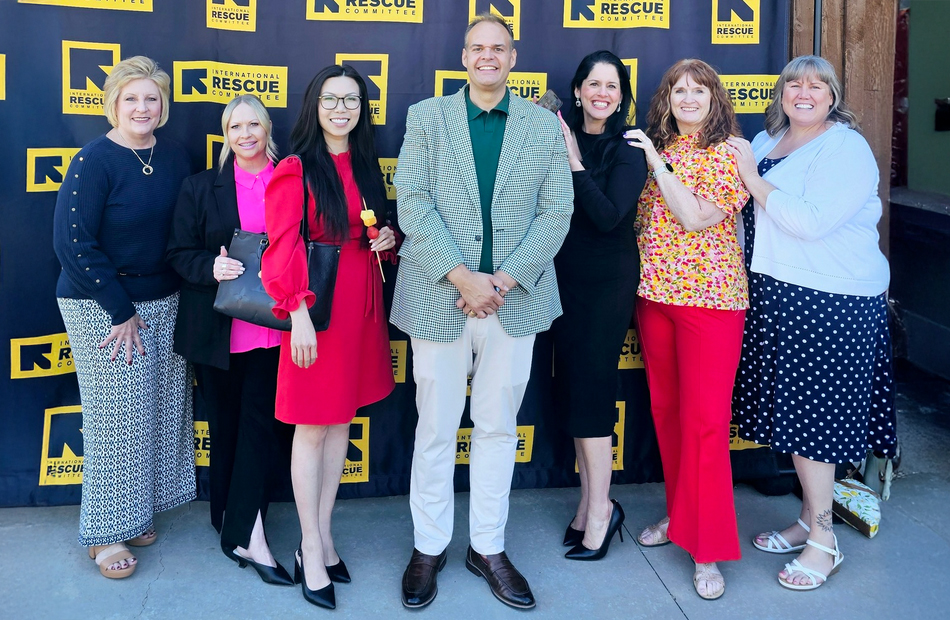
First Utah Bank was proud to sponsor and attend the International Rescue Committee Gala alongside so many incredible community leaders and advocates.
Where you bank is a choice, and it’s one that has real consequences. It can mean everything when you need something important, and for the region you live and work in.
Community banking is centered on genuine relationships, local decision-making, deposits that stay in your community, and an institution that is plugged into the same local economy as you. It all adds up to something that a national bank simply can’t replicate.
Just like shopping locally, the small decisions you make with each dollar shape the place you live in. You can bank anywhere. The question is whether your bank (and your money) is working to strengthen your community.
First Utah Bank has been doing business in Utah since 1978. We know and understand our customers and our local economy, and we have a genuine stake in both. For us, that’s not just a nice feature. It’s the whole point.