

Expanding Your Business with a USDA Loan: How to Get Started
Key Takeaways
You can build and manage your credit score by keeping up with a few basic habits:
- Many growing Utah businesses assume SBA loans are their only option for expansion, but the USDA also funds business loans, and it’s often more economical.
- USDA loans aren’t limited to farms. Restaurants, hotels, auto shops, warehouses, and most other businesses can qualify if they’re located in an eligible area.
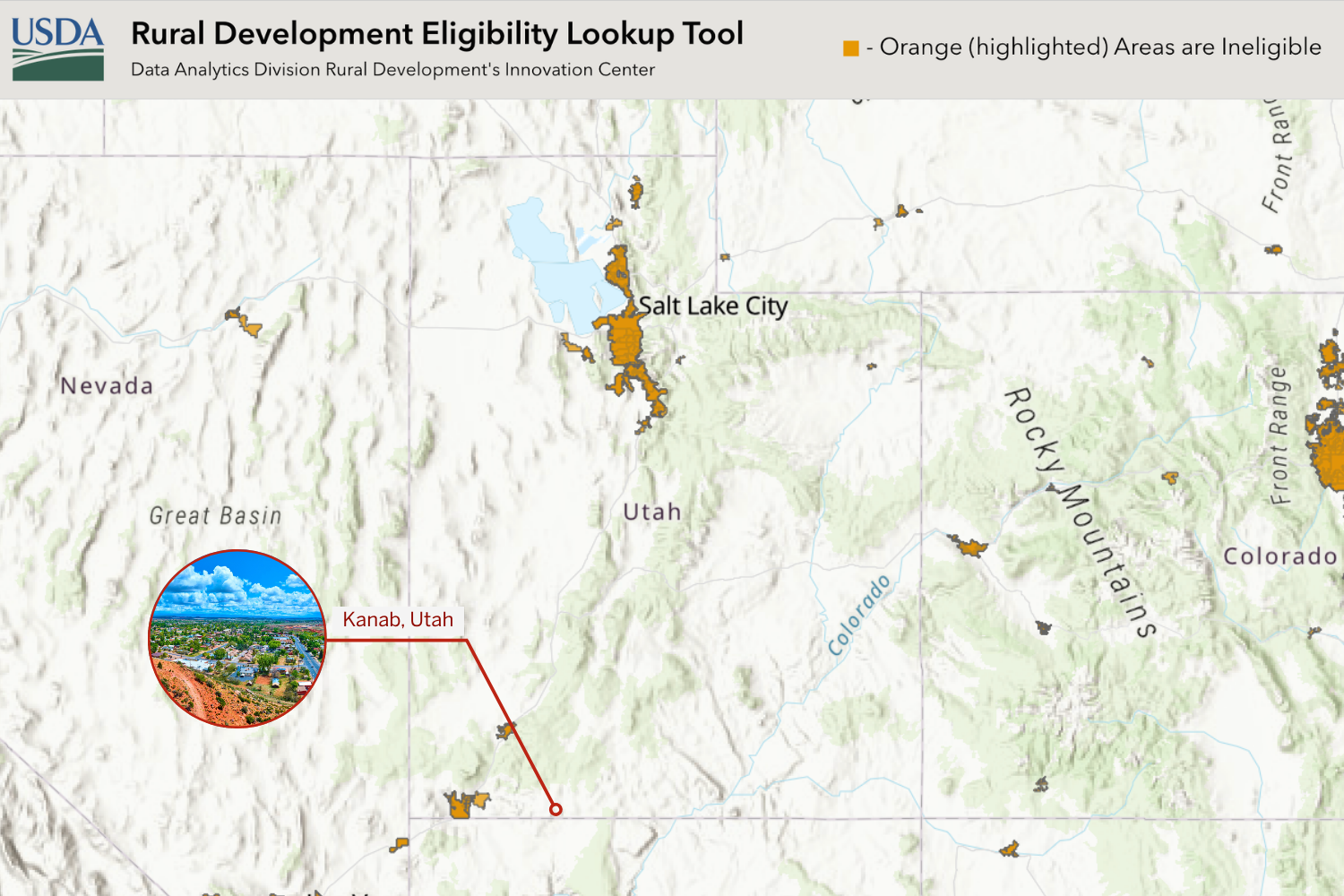
- Eligible areas cover more Utah areas than you might expect. Because boundaries shift due to changes in population data, it’s a good idea to check the USDA’s eligibility map.
- USDA loans allow for larger loan amounts, and First Utah Bank funds them nationwide.

Growth is usually a good problem to have, right up until you hit a wall. When it maxes out your available square footage, personnel, and/or your equipment, you might need to consider a few changes. Expanding your business can look different depending on your industry—whether that’s adding onto the space you’re already in, building a new location from the ground up, or picking up new space (or another business) somewhere else.
Whichever direction you might be taking, it likely requires capital. And while SBA loans are what most business owners turn to first, they’re not the only option. The USDA also funds business loans, and depending on where you’re expanding, it might be the stronger choice.
“We’re a member of the National Rural Lenders Association, and we’re actively funding a lot of companies through the SBA and USDA B&I programs,” says Jason Shepherd, SVP, Commercial Loan Officer at First Utah Bank. “Those funds can go toward buying equipment, buying buildings, working capital—all the things a growing business needs.”
USDA Business Loans
 Most people know the USDA for farm programs, but it also finances non-agricultural businesses. Through its Business & Industry (B&I) loan program, the USDA backs loans for most types of businesses, as long as they’re located in an eligible area.
“These loans are for all types of businesses, like restaurants, hotels, motels, used car parts stores, bars, and RV parks,” Shepherd says. “If your business is eligible under the program, it doesn’t have to be agricultural.”
The important part about these loans is that they’re designed to support rural economic growth, so they’re restricted to businesses in places the USDA classifies as rural. In Utah, that generally rules out Salt Lake City and the Wasatch Front, but it still covers a big portion of the state. Because these boundaries shift from year to year based on population data, the most reliable way to check your location is by using the USDA’s eligibility map—rather than going off general assumptions.
Keep in mind, eligibility is based on where the money is actually being put to work, not where your business is headquartered. So, a company based in Salt Lake could take out a USDA loan to build a warehouse in a rural part of the state or anywhere else in the country. “It’s all based on where the actual loan is being deployed,” Shepherd says.
What USDA Loans Can Be Used For
USDA loan proceeds can go toward most of what a growing business needs: buying real estate, constructing a new building, purchasing equipment, refinancing debt, covering working capital, or funding a remodel.
“We can even do buildouts of leased property for tenant improvements under these programs,” Shepherd says. “And if a business wants to expand by acquiring a competitor, they can do that too. There are not many things a true small business needs that these programs won’t allow for.”
How USDA Compares to SBA
 For businesses located in an eligible area, USDA loans tend to offer more money than SBA loans do. “SBA has about a $5 million cap through the 7a loan program. With USDA, you can go up to about $25 million, so that’s just one advantage,” Shepherd says.
Just like an SBA loan, a USDA loan also comes with a government guarantee, which gives lenders more flexibility than they’d have with a conventional loan. Except USDA loans are guaranteed up to 85 percent, slightly higher than SBA’s 75 percent guarantee. USDA loans also come with longer, 30 year loan terms that can help lower your monthly payment (SBA is capped at 25 years).
Because of this, if your business qualifies for both, USDA is often the better route. “We tell people to take advantage of the USDA program if possible, rather than using up your SBA availability—just in case you want to use that resource later on,” Shepherd says.
Where to Start
Qualifying for these loans is pretty simple. USDA lenders look at the same fundamentals SBA lenders do. They’ll analyze your repayment ability and credit history, and if you’re a startup, they’ll be looking for a solid business plan and financial projections. Most USDA borrowers are established businesses, so lenders are typically evaluating cash flow and the financial position of the owners rather than starting from scratch.
First Utah Bank is an experienced SBA preferred lending partner and a member of the National Rural Lenders Association, having helped thousands of borrowers over multiple decades with both SBA and USDA lending. If your business is running out of room and you’re not sure which loan program fits your situation, our team can walk through the options with you and help you figure out what makes sense—whether that’s an SBA loan, a USDA loan, or something else entirely.
Ready to talk through your expansion plans? Contact our team to get started.